
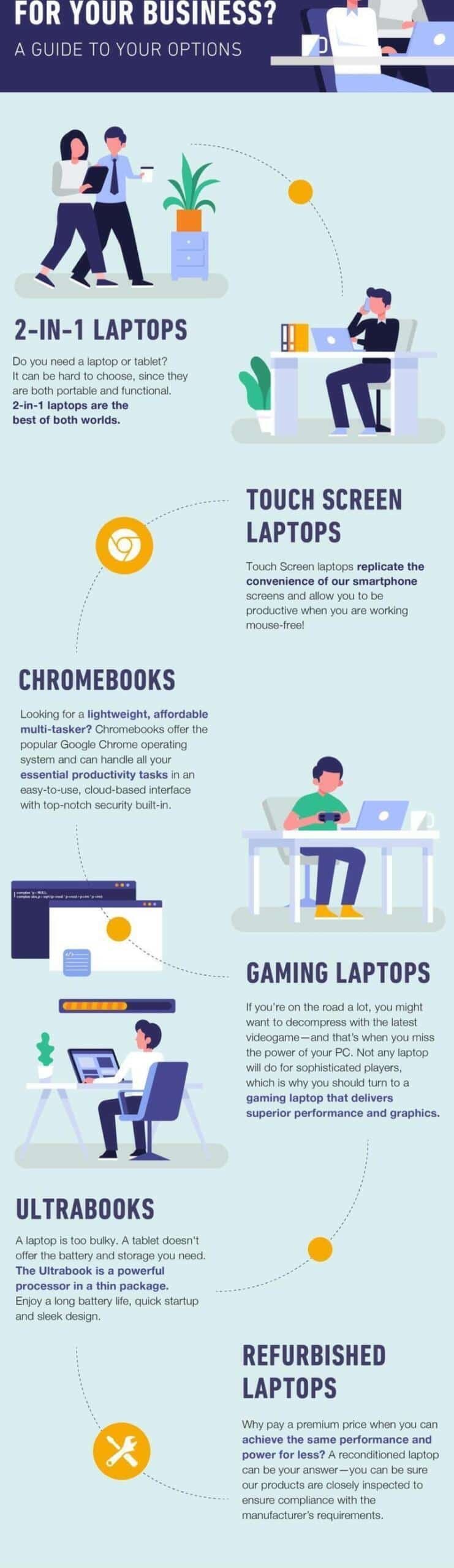
With the vast array of laptops available in the market, selecting the right one can be a daunting task. Whether you’re a gamer, a student, or a professional, having the perfect laptop can significantly enhance your productivity and overall experience. This article serves as your comprehensive ”, helping you navigate through the various options and make an informed decision. By considering factors such as processor, memory, and display, you’ll be able to find a laptop that meets your specific requirements and fits your budget.
Understanding Your Needs: The First Step in the ‘Guide to Choosing the Right Laptop for Your Needs’
Choosing the right laptop can be a daunting task given the numerous options available in the market. The key to making the right choice lies in understanding your specific needs. Are you a gamer, a student, a professional, or someone who just needs a laptop for basic tasks like browsing and emailing? Identifying your primary use will significantly narrow down your options.
Determining Your Budget
Before starting your search, it’s crucial to determine your budget. Laptops can range from a few hundred to several thousand dollars. Setting a budget will help you focus on laptops that are within your financial reach. Consider not just the cost of the laptop but also any additional expenses such as accessories or software you might need. For a budget-friendly option, consider laptops that offer a balance between performance and price. For those with a higher budget, features like high-resolution displays, advanced gaming capabilities, and premium build quality become more accessible.
Understanding Laptop Specifications
Laptop specifications can be overwhelming, but understanding the key components is vital. The processor (CPU), memory (RAM), and storage are critical. A faster processor and adequate RAM ensure smooth performance, while sufficient storage is necessary for holding your files, programs, and operating system. For most users, a laptop with an Intel Core i5 or i7 processor and at least 8GB of RAM is recommended. For storage, consider a laptop with a solid-state drive (SSD), which offers faster data access times compared to traditional hard disk drives (HDD).
Display and Graphics Considerations
The display is a crucial aspect of a laptop. Consider the size, resolution, and type of display. For most users, a Full HD (1080p) display is sufficient, but for those who require more, 4K or high-refresh-rate displays are available. Graphics capabilities are also important, especially for gamers and those who work with graphics-intensive programs. A dedicated graphics card is a must for such users.
Portability and Battery Life
If you plan to use your laptop on the go, portability and battery life become essential factors. Look for laptops that are lightweight and have a battery life that meets your needs. For most users, a laptop that weighs less than 4 pounds and has at least 8 hours of battery life is ideal.
Operating System and Software Compatibility
The choice of operating system (OS) is also a critical decision. The most common OS options are Windows, macOS, and Chrome OS. Consider which OS is compatible with the software you need to use. For some, the ability to run specific applications or compatibility with other devices they own will dictate their choice.
| Laptop Use Case | Recommended Specifications | Budget Consideration |
|---|---|---|
| General Use (Web Browsing, Email) | Intel Core i3, 4GB RAM, 256GB SSD | Under $500 |
| Gaming | Intel Core i7, 16GB RAM, Dedicated Graphics Card, 512GB SSD | $1,000-$2,000 |
| Professional/Creative Work | Intel Core i7 or i9, 16GB or more RAM, High-End Graphics, 1TB or more SSD | $1,500-$3,000 or more |
Frequently Asked Questions
What factors should I consider when choosing a laptop?
When selecting a laptop, several key factors come into play, including processor speed, RAM, storage capacity, and display quality. Understanding your specific needs will help you prioritize these factors. For instance, if you’re into gaming or video editing, a powerful processor and ample RAM are crucial.
How much RAM is sufficient for my laptop needs?
The amount of RAM you need depends on how you plan to use your laptop. For basic tasks like browsing and emailing, 4GB to 8GB of RAM may suffice. However, for more demanding tasks such as running multiple applications simultaneously or gaming, 16GB or more of RAM is recommended to ensure smooth performance.
What is the difference between HDD and SSD storage?
When it comes to storage, laptops often come with either a Hard Disk Drive (HDD) or a Solid-State Drive (SSD). SSD is generally faster and more reliable, offering quicker boot times and better overall performance. On the other hand, HDD provides more storage at a lower cost, making it a good option for those who need to store large files.
Should I prioritize laptop portability or performance?
Your decision should be guided by how you intend to use your laptop. If you’re always on the move, portability might be your top priority, in which case a lightweight laptop with a decent battery life is ideal. Conversely, if you’re looking for a device to handle demanding tasks, performance should be your focus, even if it means a slightly larger and heavier laptop.