
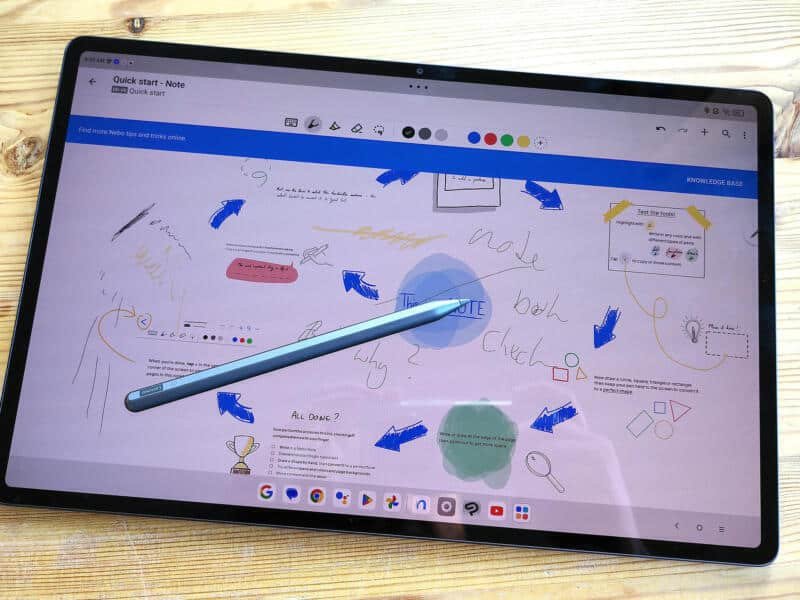
The proliferation of tablets has transformed the way we work and play, blurring the lines between productivity and entertainment. As the demand for versatile devices grows, the need for a comprehensive ” becomes increasingly important. This comparison aims to dissect the features, capabilities, and specifications of various tablets, evaluating their effectiveness in both professional and leisure contexts, helping consumers make informed decisions when choosing a device tailored to their needs. Ultimately, understanding the strengths and weaknesses of these devices is crucial.
Choosing the Right Tablet for Your Needs: Work or Entertainment
When it comes to selecting a tablet, one of the primary considerations is whether it will be used primarily for work or entertainment purposes. This distinction is crucial as it influences the type of features, specifications, and overall functionality required from the device. The concept of ‘Tablet Comparison: Work vs Entertainment’ becomes particularly relevant in this context, as it helps potential buyers make an informed decision based on their specific needs.
Performance Requirements for Work
For work-related tasks, a tablet needs to offer robust performance, multitasking capabilities, and compatibility with productivity software. Features such as a powerful processor, ample storage, and long battery life are essential. Additionally, the ability to support accessories like keyboards and styluses can enhance productivity. When comparing tablets for work, factors such as operating system compatibility, security features, and manageability are also critical.
Entertainment Features
On the other hand, tablets intended for entertainment should focus on delivering an immersive experience. This includes having a high-quality display with good color accuracy, high-resolution video capabilities, and robust audio. Storage capacity is also a consideration, as users will likely store a significant amount of media content. Furthermore, features like long battery life and portability are crucial for an uninterrupted entertainment experience.
Display and Audio Quality
The display and audio quality are significant factors in the ‘Tablet Comparison: Work vs Entertainment’ debate. For entertainment purposes, a larger, high-definition display with features like OLED technology can significantly enhance the viewing experience. In contrast, for work, a more modest display might suffice, although certain professions may require specific display qualities. Audio quality is another aspect where entertainment-focused tablets tend to excel, with some featuring advanced speaker systems or support for external audio devices.
Portability and Battery Life
Both work and entertainment tablets benefit from being portable and having a long battery life. For work, this means being able to stay productive on the go without needing to recharge. For entertainment, it translates to enjoying media without interruption. Manufacturers often optimize their devices for these aspects, incorporating power-saving technologies and efficient processors.
Cost Considerations
The cost of a tablet can vary widely based on its intended use. Work-oriented tablets might include additional features like enhanced security, durability, and support for specific business applications, which can increase their cost. Entertainment tablets, while potentially having high-end features like advanced displays, can also be available at various price points depending on the brand and specifications.
| Feature | Work Tablet | Entertainment Tablet |
|---|---|---|
| Processor | Powerful, for multitasking | Balanced, for smooth media playback |
| Display | Modest, with potential for specific requirements | High-quality, with features like OLED |
| Battery Life | Long battery life, for productivity on the go | Long battery life, for uninterrupted entertainment |
| Storage | Ample, for apps and files | Significant, for storing media content |
| Audio Quality | Standard, with potential for external devices | Enhanced, with advanced speaker systems or external audio support |
Frequently Asked Questions
What are the key differences between work and entertainment tablets?
When comparing tablets for work and entertainment, the primary differences lie in their processing power, storage capacity, and display quality. Work tablets tend to focus on productivity features such as multitasking, security, and compatibility with productivity software, while entertainment tablets prioritize graphics processing, sound quality, and battery life for an immersive experience.
How does the operating system impact tablet comparison for work and entertainment?
The operating system plays a crucial role in determining the suitability of a tablet for work or entertainment. For work, Android or Windows tablets are often preferred for their productivity capabilities and compatibility with various business applications. For entertainment, iOS or Android tablets are popular for their gaming and streaming capabilities, as well as access to a wide range of entertainment apps.
What features are essential for a work tablet?
For a work tablet, essential features include long battery life, robust security, and adequate storage. Additionally, stylus support and keyboard compatibility can enhance productivity. The tablet should also be compatible with necessary business software and have reliable connectivity options such as Wi-Fi and 5G.
Can a single tablet serve both work and entertainment purposes effectively?
Yes, a single tablet can serve both purposes if it strikes a balance between performance, battery life, and multimedia capabilities. A tablet with a powerful processor, ample storage, and a high-quality display can handle both work and entertainment tasks. It’s also important to consider versatility features such as detachable keyboards or styluses that can enhance its utility for different uses.