
Green Cryptocurrencies: Projects That Don’t Require High-Consumption Hardware are gaining momentum as environmental concerns mount in the digital asset space. Traditional blockchain networks, such as Bitcoin, rely heavily on energy-intensive mining processes, prompting a growing demand for sustainable alternatives. In response, innovative projects are emerging with consensus mechanisms like Proof of Stake, Delegated Proof of Stake, and other low-energy models. These eco-friendly solutions significantly reduce carbon footprints while maintaining network security and scalability. This article explores pioneering green cryptocurrencies that prioritize environmental sustainability without compromising performance, offering a glimpse into a greener future for decentralized finance and blockchain technology.
Sustainable Blockchain Innovations: Advancing Green Cryptocurrencies Without Energy-Intensive Mining
The evolution of blockchain technology has sparked a growing concern over its environmental footprint, particularly due to the high energy demands of traditional proof-of-work (PoW) consensus mechanisms. In response, a new wave of Green Cryptocurrencies: Projects That Don’t Require High-Consumption Hardware has emerged, leveraging energy-efficient consensus models such as proof-of-stake (PoS), delegated proof-of-stake (DPoS), and other low-impact protocols. These innovations are not only reducing carbon emissions but also democratizing access to cryptocurrency networks by eliminating the need for specialized, power-hungry mining rigs. As global awareness of climate change increases, these sustainable alternatives are positioning themselves as viable long-term solutions within the digital asset ecosystem.
How Proof-of-Stake Enables Energy-Efficient Blockchains
One of the most significant advancements in reducing blockchain energy consumption is the adoption of the proof-of-stake (PoS) consensus mechanism. Unlike PoW, which requires miners to solve complex mathematical problems using powerful hardware, PoS selects validators based on the number of coins they hold and are willing to stake as collateral. This approach drastically reduces electricity usage because it removes the competitive computational race inherent in mining. Networks like Ethereum, after its transition to Ethereum 2.0, now operate under PoS, contributing to a 99.95% reduction in energy use. This model is a cornerstone for many Green Cryptocurrencies: Projects That Don’t Require High-Consumption Hardware, allowing users to participate using standard consumer-grade devices.
Top Green Cryptocurrencies Leading the Eco-Friendly Movement
Several digital assets have positioned themselves at the forefront of environmental sustainability in the blockchain space. Projects such as Cardano (ADA), Algorand (ALGO), and Tezos (XTZ) utilize PoS or similar low-energy consensus algorithms, enabling secure and scalable networks without relying on massive data centers or ASIC miners. SolarCoin (SLR) goes a step further by incentivizing solar energy production through blockchain rewards. These initiatives exemplify how Green Cryptocurrencies: Projects That Don’t Require High-Consumption Hardware can align financial incentives with ecological responsibility, offering scalable solutions that prioritize long-term environmental health over short-term computational gains.
The Role of Delegated Proof-of-Stake in Reducing Energy Use
Delegated proof-of-stake (DPoS) is another innovation that supports energy-efficient blockchain operations. In DPoS systems, token holders vote for a limited number of delegates who are responsible for validating transactions and maintaining the network. Because only a small number of nodes perform validation, the overall energy demand is significantly lower compared to large-scale mining operations. Platforms like EOS and TRON use DPoS to achieve high transaction throughput with minimal environmental impact. This model reinforces the viability of Green Cryptocurrencies: Projects That Don’t Require High-Consumption Hardware, enabling broad participation without centralized control or excessive power consumption.
Blockchain Projects Utilizing Renewable Energy Integration
Beyond consensus mechanism design, some blockchain initiatives are actively integrating renewable energy sources to power their network operations. For example, projects like Power Ledger enable peer-to-peer energy trading using blockchain, promoting the use of solar and wind power within local communities. Others are establishing partnerships with green energy providers to ensure that any residual energy consumption comes from sustainable sources. While not eliminating energy use entirely, these efforts complement the efficiency of Green Cryptocurrencies: Projects That Don’t Require High-Consumption Hardware by ensuring that when energy is used, it is derived from clean and renewable origins, thus closing the loop on environmental sustainability.
Comparing Energy Consumption Across Major Cryptocurrencies
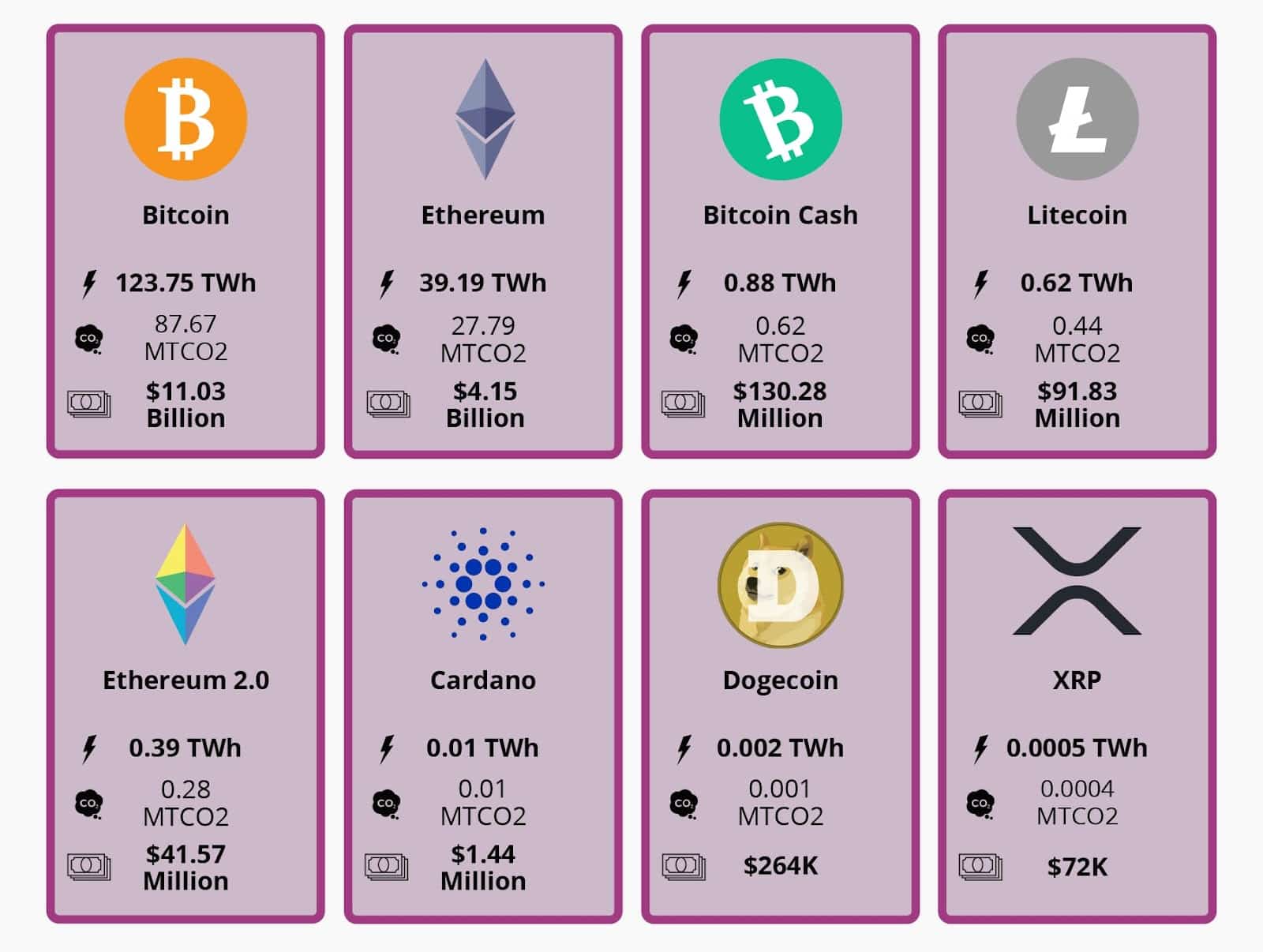
Understanding the environmental impact of different cryptocurrencies requires a direct comparison of their energy usage. Traditional PoW-based networks like Bitcoin consume vast amounts of electricity, often exceeding the annual consumption of small countries. In contrast, PoS and other energy-efficient models used by green alternatives require only a fraction of that power. The following table illustrates the stark differences in energy consumption between various blockchain networks, highlighting the advantages of adopting low-power consensus mechanisms.
| Cryptocurrency | Consensus Mechanism | Annual Energy Consumption (TWh) | Hardware Requirements |
| Bitcoin (BTC) | Proof-of-Work (PoW) | ~120 | High-consumption ASIC miners |
| Ethereum (ETH) | Proof-of-Stake (PoS) | ~0.01 | Standard consumer hardware |
| Cardano (ADA) | Ouroboros PoS | ~0.0005 | Low-power nodes |
| Algorand (ALGO) | Pure PoS | ~0.001 | Minimal hardware needs |
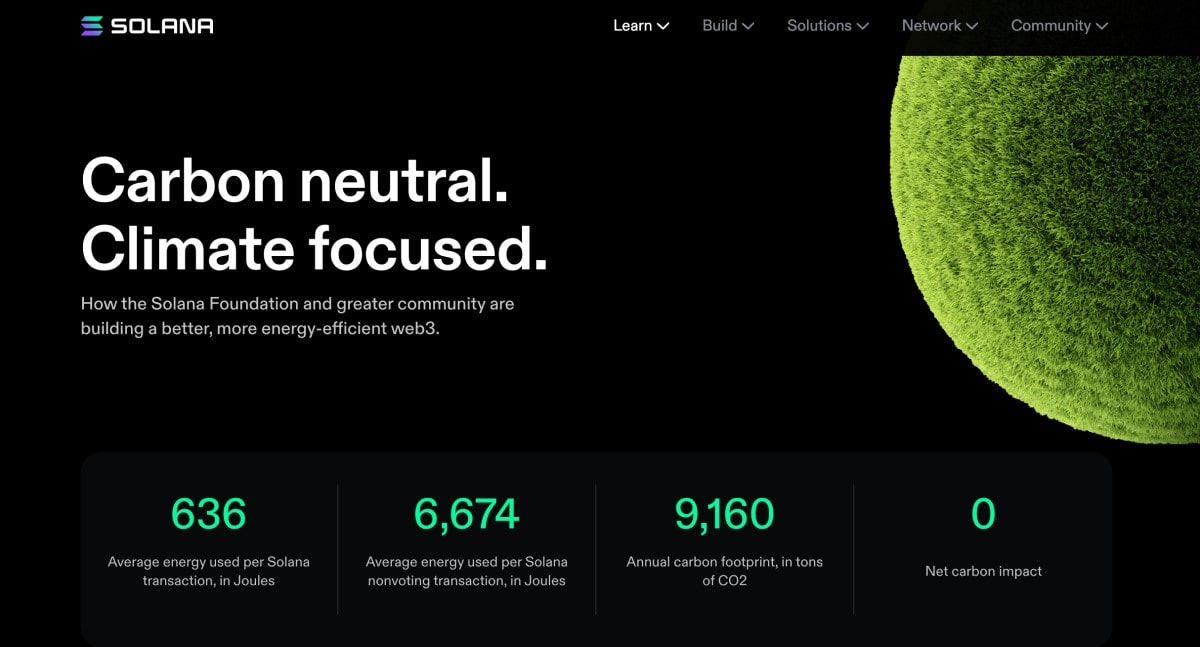
| Solana (SOL) | Proof-of-History (PoH) + PoS | ~0.005 | Moderate efficiency hardware |
Green Cryptocurrencies: Projects That Don’t Require High-Consumption Hardware
Which green cryptocurrency is widely recognized for its minimal environmental impact due to low energy consumption?
Cardano (ADA) is widely recognized as a green cryptocurrency with minimal environmental impact due to its significantly low energy consumption, which stems from its implementation of the Ouroboros proof-of-stake (PoS) consensus mechanism. Unlike traditional proof-of-work systems that require vast computational power and energy, Cardano’s PoS model allows validators to secure the network based on the amount of cryptocurrency they hold and are willing to stake as collateral, drastically reducing electricity usage. This energy-efficient approach enables Cardano to process transactions and support smart contracts while maintaining a tiny carbon footprint, making it one of the most sustainable blockchain platforms today. By focusing on peer-reviewed research and layered architecture, Cardano not only ensures scalability and security but also aligns with environmental priorities, exemplifying how Green Cryptocurrencies: Projects That Don’t Require High-Consumption Hardware can effectively operate without compromising ecological responsibility.
How Does Proof-of-Stake Reduce Energy Consumption in Cryptocurrencies?
The proof-of-stake (PoS) consensus mechanism is a fundamental innovation that drastically reduces energy consumption in blockchain networks by eliminating the need for energy-intensive mining operations. Instead of relying on miners to solve complex mathematical puzzles, as in proof-of-work (PoW), PoS selects validators based on the amount of cryptocurrency they hold and are willing to lock up as a stake. This shift means that network security does not depend on computational power but on economic incentives, making attacks financially impractical. As a result, blockchains like Cardano and Tezos consume only a fraction of the electricity used by Bitcoin or Ethereum (pre-merge), positioning PoS as a cornerstone of sustainable blockchain development. By minimizing reliance on high-powered hardware, these networks exemplify energy-efficient alternatives in the digital asset space.
Top Green Cryptocurrencies with Low Environmental Impact
Several green cryptocurrencies have emerged as leaders in sustainability by adopting energy-efficient consensus mechanisms and eco-conscious development practices. Cardano (ADA) stands out due to its peer-reviewed, research-driven approach and Ouroboros PoS protocol, which uses less than 0.01% of the energy consumed by Bitcoin. Another notable project is Algorand (ALGO), which uses a pure proof-of-stake model and has achieved carbon neutrality through partnerships with climate initiatives. Tezos (XTZ) also employs an on-chain governance system and PoS mechanism that support low emissions and long-term sustainability. These platforms prove that secure, scalable blockchains can operate without extensive energy demands, offering viable models for environmentally responsible digital finance.
| Cryptocurrency | Consensus Mechanism | Estimated Annual Energy Use (kWh) | Carbon Footprint |
|---|---|---|---|
| Cardano (ADA) | Proof-of-Stake (Ouroboros) | ~6 GWh | Nearly zero; powered by renewable energy |
| Algorand (ALGO) | Pure Proof-of-Stake | ~0.0005 GWh | Carbon negative through offset programs |
| Tezos (XTZ) | Proof-of-Stake (Liquid) | ~60 GWh | Low; fully offset via eco-partnerships |
Environmental Certifications and Sustainability Initiatives in Blockchain
An increasing number of blockchain projects are pursuing environmental certifications and forming partnerships with sustainability organizations to validate their low-impact operations. For instance, Algorand has collaborated with ClimateTrade to ensure its network is carbon negative, while Cardano has committed to measurable sustainability goals, including running node operations on renewable energy. The Crypto Climate Accord, inspired by the Paris Agreement, aims to decarbonize the cryptocurrency industry by promoting clean energy adoption and transparency in energy usage reporting. These efforts help build trust among users and regulators by providing verifiable data on environmental performance. As awareness grows, such certifications are becoming essential for green cryptocurrencies, reinforcing the shift toward blockchain ecosystems that prioritize both innovation and planetary health.
What type of cryptocurrency operates without the need for energy-intensive mining processes?
Cryptocurrencies that operate without energy-intensive mining processes primarily rely on consensus mechanisms such as Proof of Stake (PoS), Delegated Proof of Stake (DPoS), or Proof of Authority (PoA), which eliminate the need for resource-heavy computational work required in traditional Proof of Work (PoW) systems like Bitcoin. These alternative mechanisms validate transactions and secure the network by requiring participants to lock up or stake their coins as collateral, significantly reducing electricity consumption. Notable examples include Ethereum (after its 2022 transition to PoS), Cardano, and Solana, all of which offer scalable and environmentally friendlier blockchain solutions. This shift supports the growth of Green Cryptocurrencies: Projects That Don’t Require High-Consumption Hardware, aligning blockchain innovation with global sustainability goals.
How Proof of Stake Reduces Energy Consumption in Cryptocurrencies
Proof of Stake (PoS) fundamentally changes how blocks are validated by replacing computational power with staked assets, drastically cutting down energy usage. Instead of miners competing to solve complex puzzles, validators are chosen based on the amount of cryptocurrency they are willing to lock up as a stake, along with other factors such as staking duration or randomization. This shift eliminates the need for high-performance mining rigs and the constant electricity draw associated with them. As a result, PoS-based blockchains like Ethereum 2.0 consume over 99% less energy than their PoW counterparts, making them a cornerstone of sustainable blockchain development and a key enabler of eco-conscious digital finance.
Examples of Energy-Efficient Cryptocurrencies and Their Consensus Models
Several prominent cryptocurrencies have adopted energy-efficient consensus models to avoid reliance on mining. Cardano uses a variation of PoS called Ouroboros, which divides time into epochs and slots to fairly select leaders for block creation, ensuring security with minimal energy use. Solana leverages a hybrid model combining Proof of History (PoH) with PoS, enabling fast transaction processing without energy-intensive operations. Tezos uses self-amending on-chain governance with liquid PoS, allowing stakeholders to participate in validation directly or by delegation. These platforms exemplify how modern blockchains can achieve high performance and decentralization without the environmental costs of traditional mining. The table below highlights key energy-efficient cryptocurrencies and their respective consensus mechanisms.
| Cryptocurrency | Consensus Mechanism | Estimated Energy Use per Transaction |
|---|---|---|
| Ethereum (post-Merge) | Proof of Stake | ~0.002 kWh |
| Cardano | Ouroboros (PoS) | ~0.0005 kWh |
| Solana | PoH + PoS | ~0.0007 kWh |
The Role of Green Cryptocurrencies in Sustainable Blockchain Development
The emergence of energy-efficient blockchains has catalyzed the rise of Green Cryptocurrencies: Projects That Don’t Require High-Consumption Hardware, promoting environmentally responsible innovation in the digital asset space. These projects prioritize low-carbon operations not only through consensus design but also by integrating carbon offset initiatives and renewable energy partnerships. For instance, Algorand has committed to carbon neutrality from inception, while IOTA uses a directed acyclic graph (DAG) structure that requires no mining at all. As regulatory and public scrutiny on the environmental impact of digital technologies increases, these eco-friendly alternatives are becoming essential for mainstream adoption. The shift toward sustainable protocols and low-energy validation marks a transformative phase in blockchain evolution, aligning financial infrastructure with climate-conscious values.
Among Ethereum, Cardano, Polkadot, and Chainlink, which cryptocurrency is specifically designed to support an environmentally sustainable blockchain with significantly reduced energy usage?

Among Ethereum, Cardano, Polkadot, and Chainlink, Cardano is specifically designed to support an environmentally sustainable blockchain with significantly reduced energy usage. Unlike older blockchains that rely on energy-intensive Proof-of-Work (PoW) consensus mechanisms, Cardano utilizes a Proof-of-Stake (PoS) protocol called Ouroboros, which drastically lowers energy consumption by eliminating the need for high-powered computational hardware. This approach allows validators to secure the network based on the number of tokens they hold and are willing to stake, rather than solving complex mathematical puzzles. As a result, Cardano’s energy efficiency places it among the leading green cryptocurrencies: projects that don’t require high-consumption hardware, making it a more sustainable option in the evolving digital asset landscape.
How Cardano Achieves Energy Efficiency Through Proof-of-Stake
Cardano’s blockchain operates on a scientifically rigorous, peer-reviewed Proof-of-Stake (PoS) consensus mechanism named Ouroboros, which is central to its low energy footprint. Unlike Proof-of-Work systems that demand vast amounts of electricity to validate transactions through mining, Ouroboros selects block producers based on the size of their stake and a randomized process, greatly reducing computational overhead. This design enables the network to function securely with a fraction of the energy used by traditional blockchains. By minimizing reliance on hardware performance and instead using stake-based validation, Cardano exemplifies how modern blockchains can maintain decentralization and security while supporting environmental sustainability. This positions it as a model among green cryptocurrencies: projects that don’t require high-consumption hardware.
Comparative Energy Usage: Ethereum, Polkadot, and Chainlink
While Ethereum has transitioned from Proof-of-Work to Proof-of-Stake with its Ethereum 2.0 upgrade, significantly cutting its energy usage by over 99%, its historical design was energy-intensive. Polkadot also employs a nominated Proof-of-Stake model, making it relatively energy-efficient compared to PoW chains. Chainlink, as an oracle network, does not maintain its own consensus mechanism but operates across multiple blockchains, meaning its environmental impact depends on the underlying chains it interacts with. However, among these, Cardano was built from the ground up with sustainability as a core principle, giving it a distinct advantage in efficiency. A comparison of annual energy consumption highlights this difference:
| Cryptocurrency | Consensus Mechanism | Estimated Annual Energy Use (kWh) |
|---|---|---|
| Cardano | Proof-of-Stake (Ouroboros) | ~6,000,000 |
| Ethereum (post-Merge) | Proof-of-Stake | ~8,000,000 |
| Polkadot | Nominated Proof-of-Stake | ~12,500,000 |
| Chainlink (dependent on host chains) | Oracle Network (no native consensus) | Varies |
This data underscores how foundational design choices impact sustainability outcomes in blockchain networks.
The Role of Sustainable Design in the Future of Blockchain
As global scrutiny over digital technologies’ environmental impact increases, blockchains designed with sustainability at their core are gaining prominence. Cardano’s architecture reflects a forward-thinking approach that prioritizes long-term scalability and ecological responsibility. Its research-driven development model ensures that upgrades and protocol changes are thoroughly vetted for efficiency, security, and minimal environmental cost. This focus on sustainability aligns with growing demand for green cryptocurrencies: projects that don’t require high-consumption hardware and support broader climate-conscious technology initiatives. By embedding energy efficiency into its protocol from inception, Cardano sets a benchmark for how blockchain innovation can coexist with environmental stewardship.
Frequently Asked Questions
What are green cryptocurrencies?
Green cryptocurrencies are digital currencies designed to minimize environmental impact by using energy-efficient consensus mechanisms such as proof-of-stake (PoS) or delegated proof-of-stake (DPoS) instead of energy-intensive proof-of-work (PoW). These projects eliminate the need for high-consumption hardware like ASIC miners, relying instead on validators who use regular computers, greatly reducing carbon emissions and electricity usage.
How do green cryptocurrencies reduce energy consumption?
Green cryptocurrencies reduce energy consumption by replacing traditional mining processes with low-energy alternatives that do not require powerful hardware. Instead of solving complex mathematical problems, they use consensus mechanisms like staking, where users lock up coins to help validate transactions. This shift dramatically lowers electricity demand and makes blockchain networks more sustainable.
Which consensus mechanisms are commonly used by eco-friendly crypto projects?
Eco-friendly crypto projects commonly use proof-of-stake (PoS), proof-of-authority (PoA), and proof-of-history (PoH) as alternatives to proof-of-work. These mechanisms rely on network participants with existing stakes or verified identities rather than computational power, significantly reducing the need for high-performance hardware and cutting down overall energy usage.
Can green cryptocurrencies still be secure and scalable?
Yes, green cryptocurrencies can be both secure and scalable by leveraging advanced consensus algorithms that maintain network integrity without excessive energy use. Projects like Cardano and Algorand demonstrate how decentralized networks can achieve high transaction throughput while ensuring security through cryptographic techniques and community-driven validation.